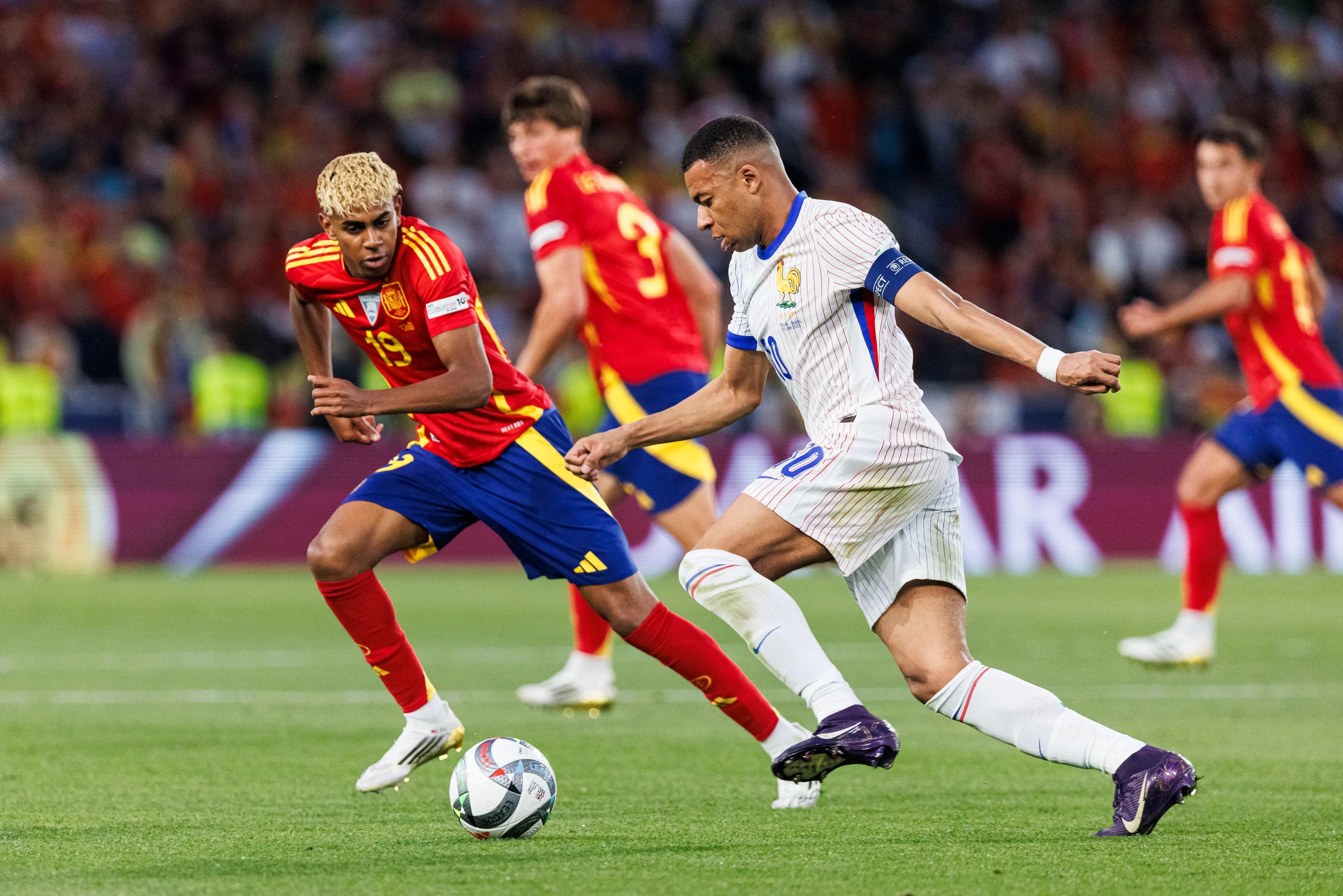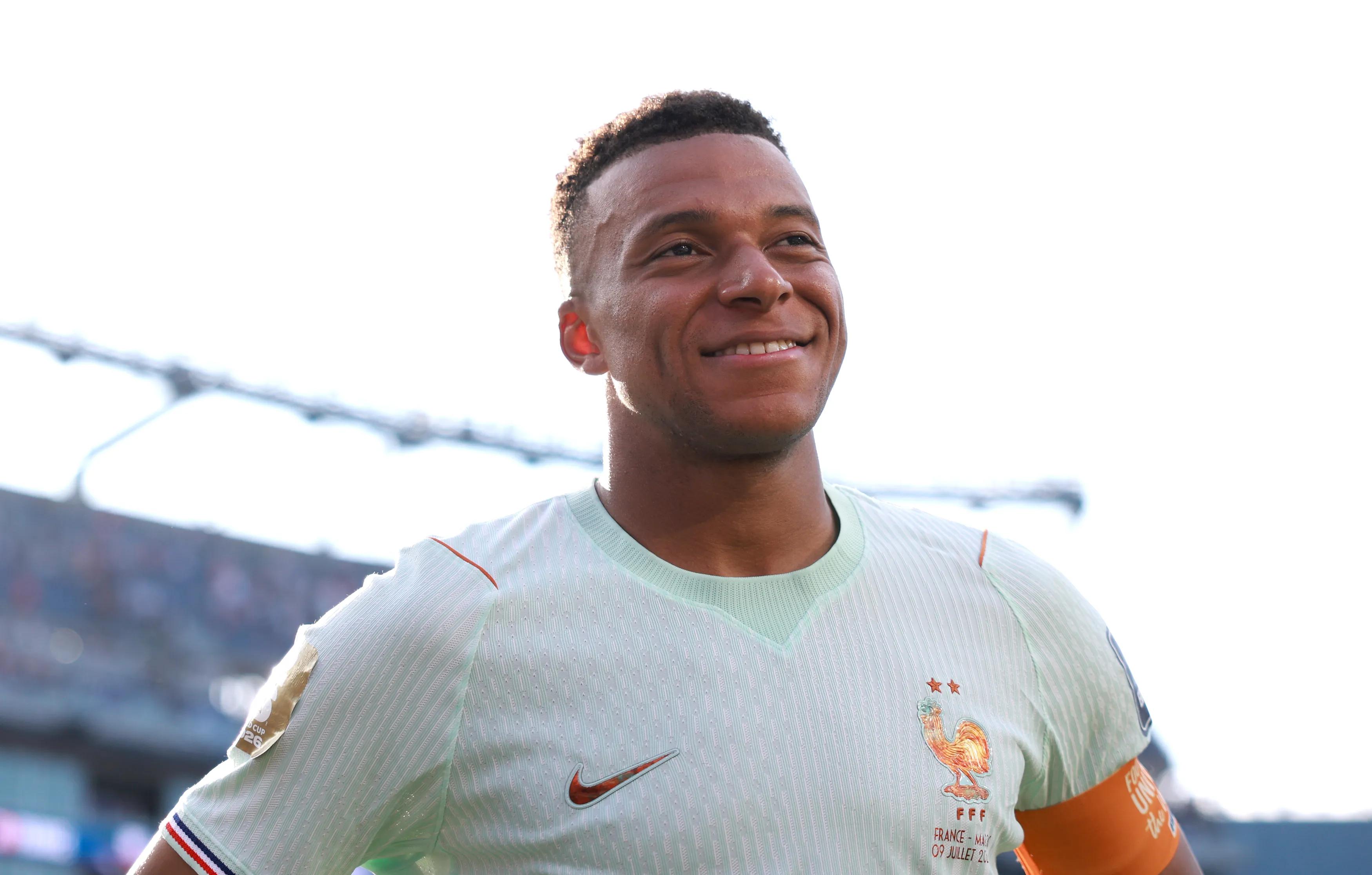
France versus Spain on July 15 is the semi-final that football's recent history made inevitable. When both nations qualified for the knockout stages with matching authority, the possibility of their meeting began to crystallise. When both won their quarter-finals with the certainty of teams who expect to win, the possibility became probability. Now it is fact, and the fact carries the accumulated weight of two previous semi-finals that split one win apiece. This is the decider — not merely for a place in the final, but for supremacy in a rivalry that has defined the European game's recent history. Mbappe's eight goals have been scored with the cold precision of a surgeon; Yamal's creativity has operated with the warmth of an artist. The collision of surgical cold and artistic warmth will produce a contest of rare quality.
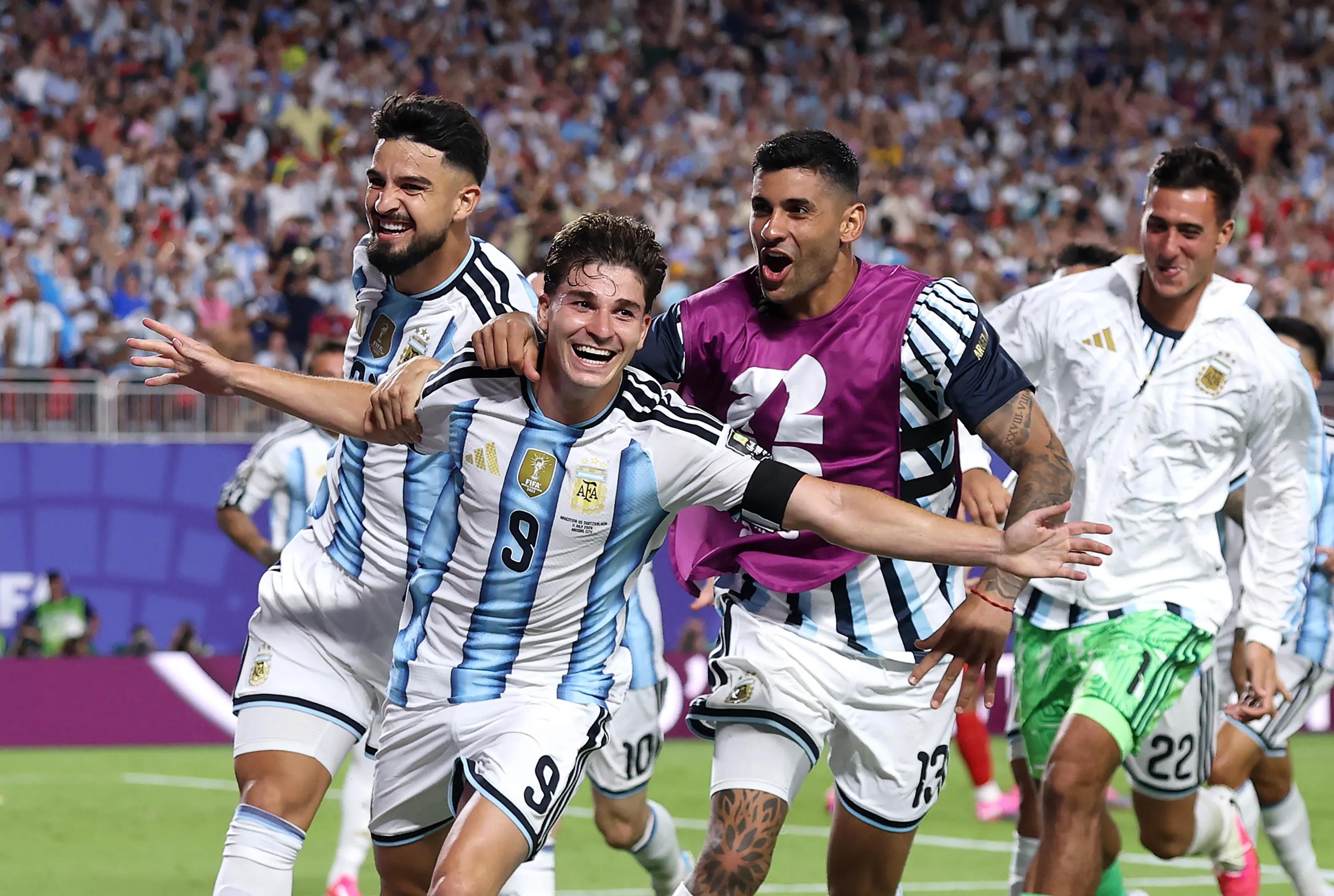
The July 16 semi-final will be contested by two nations whose relationship with each other has produced more iconic World Cup moments than any other bilateral fixture in the tournament's history. 1986 gave us Maradona's hand and Maradona's feet — crime and masterpiece in the same match, committed by the same player, in the space of four minutes that condensed the entire moral complexity of sport into a single, unforgettable sequence. 1998 gave us Beckham's petulance and Simeone's cunning — a collision of youth and experience that ended in a red card and a penalty shootout and a summer of recrimination that poisoned an entire English season. 2002 gave us Beckham's redemption — a penalty struck with the weight of four years' suffering behind it, converting with such emotional force that the net seemed to bulge with more than leather. July 16 will produce its own iconic moment. It cannot help itself. This fixture never could.
Two semi-finals, two kinds of weight. France and Spain carry the weight of knowledge — three encounters that have taught each team everything about the other and left nothing to discovery. England and Argentina carry the weight of memory — three encounters that have burned themselves into the collective consciousness of both nations and refused to fade. Knowledge and memory are different burdens, but they share a common effect: they compress the present moment, making every decision feel consequential beyond its immediate context, every touch loaded with implications that stretch backward into history and forward into legacy. This is the texture of great rivalries, and the World Cup's semi-finals will be textured by it completely.
July 15 and 16, four teams, two matches that will echo for decades, all scores settled under the lights.