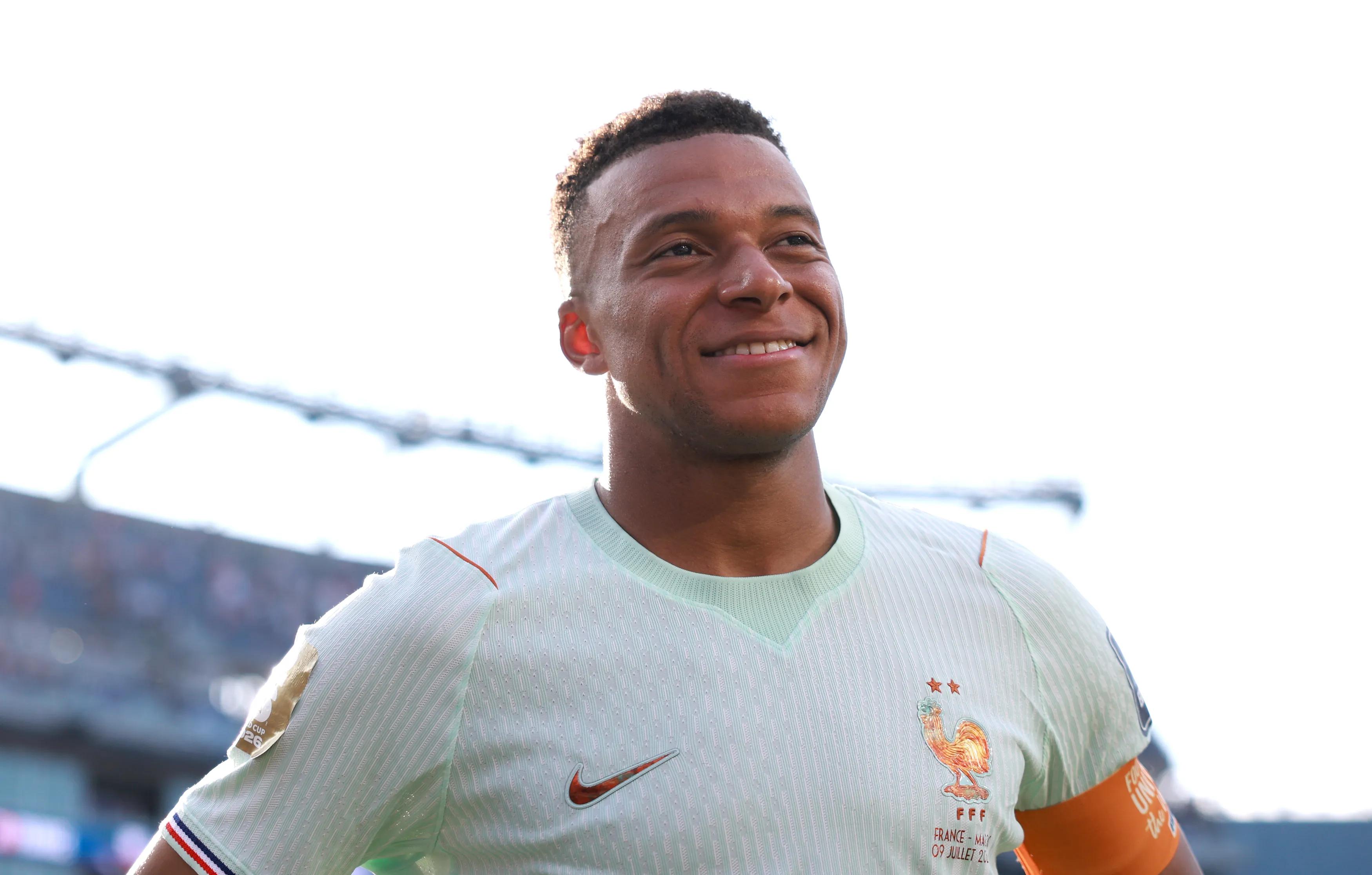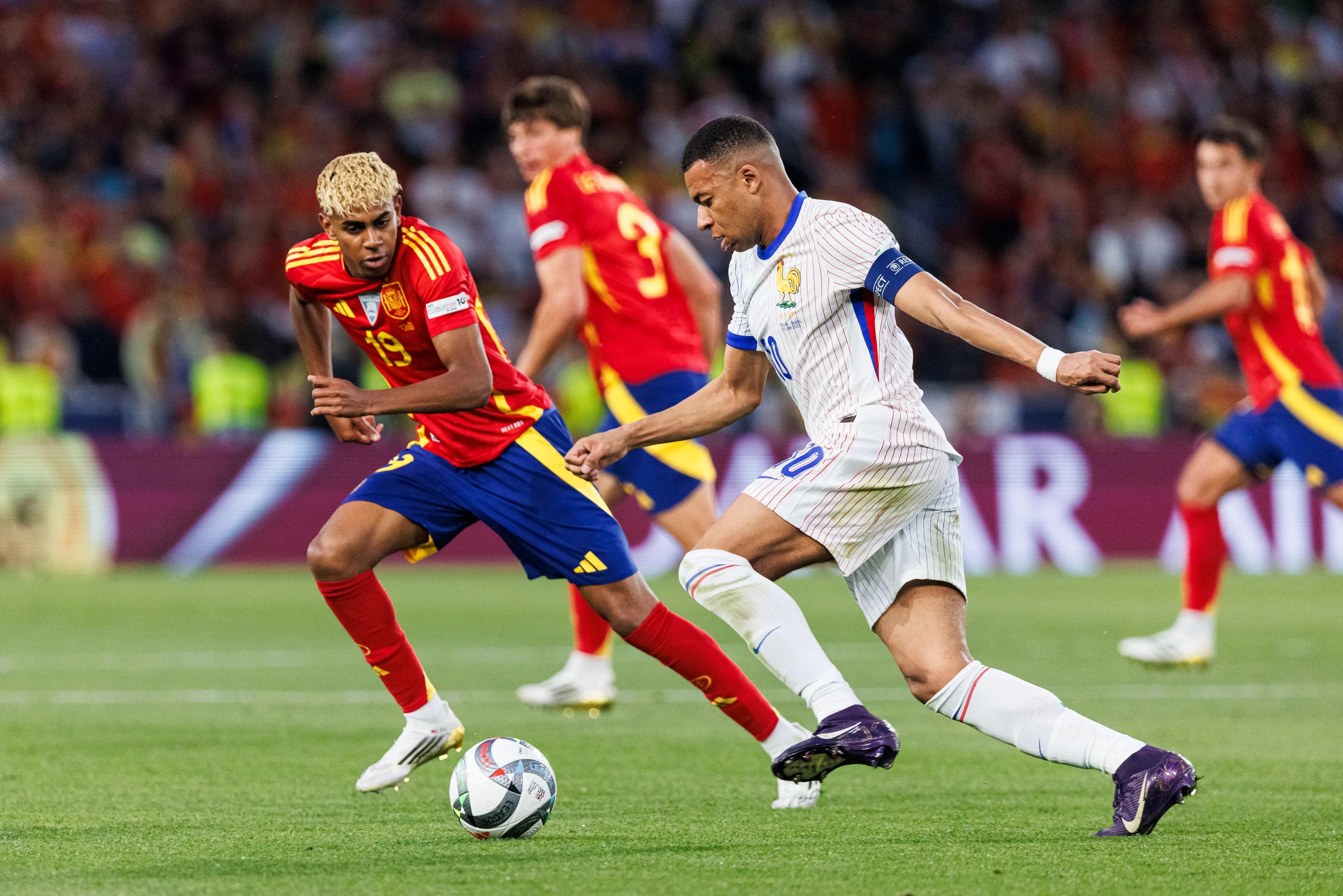
The collision between France and Spain on July 15 has evolved from coincidence into constellation. Three consecutive major tournament semi-finals is not a fixture pattern — it is an orbital lock, the gravitational consequence of two footballing superpowers occupying the same narrow band of excellence. Didier Deschamps and Luis de la Fuente have shaped their teams in each other's image and against each other's tendencies, producing a tactical dialect that only these two nations speak. Every formation shift in Dallas will be a reply to a formation shift in Munich; every substitution a counter to a substitution in the Nations League final. Kylian Mbappe, with eight goals sculpted from pace and precision, carries France's attacking identity like a torch. Lamine Yamal, orchestrating Spain's campaign with the vision of a conductor who hears music in chaos, carries theirs. Their ten prior duels — overwhelmingly favouring Yamal — constitute a sub-rivalry that could eclipse the main event.
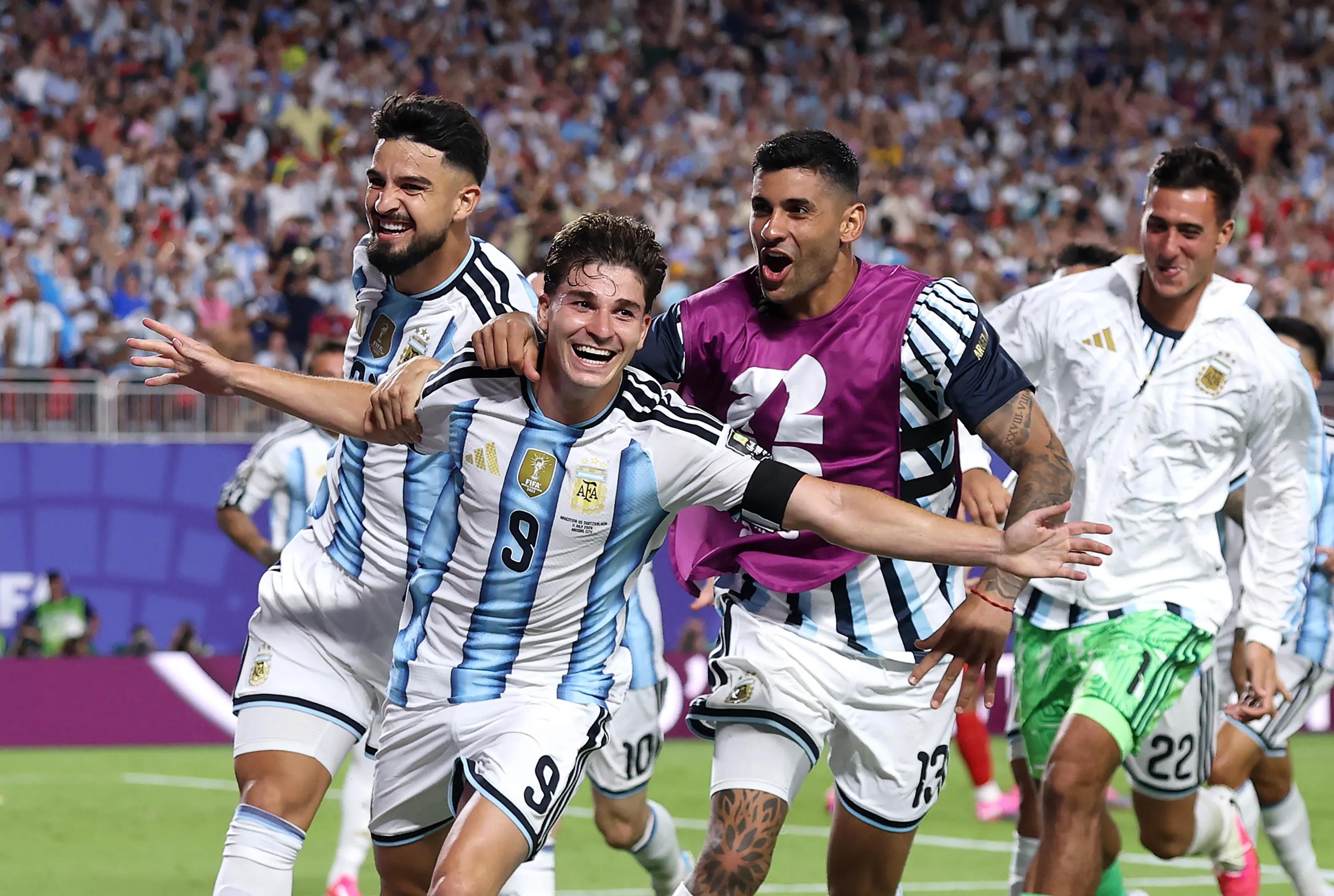
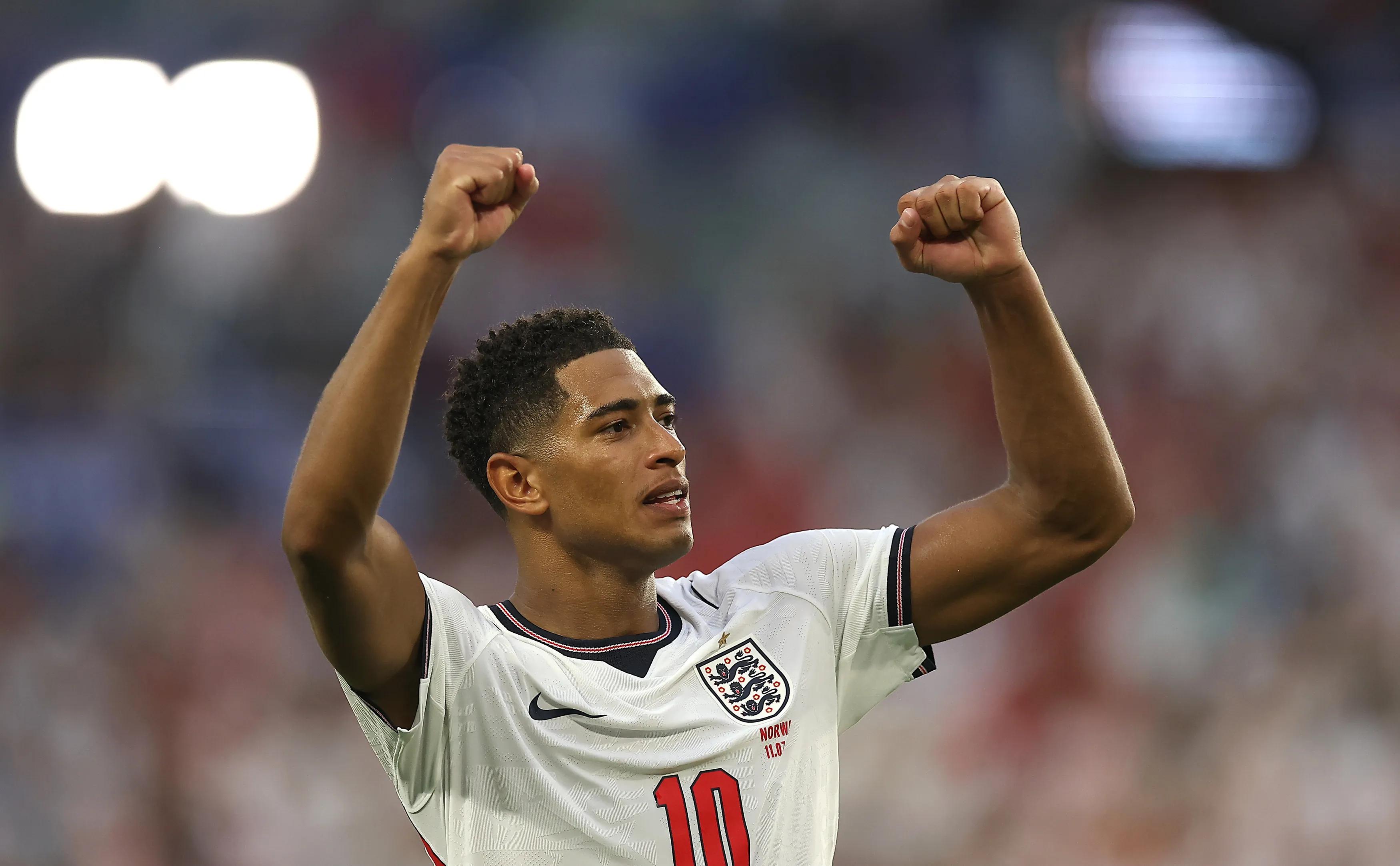
July 16 will be governed not by tactics but by forces that operate beneath the tactical surface: memory, pride, and the conviction that history is a debt that must be repaid. England carry the debt of 1986, when Maradona's handball robbed them of a fair contest and produced a result that Argentina celebrated with a fervour that deepened England's agony. They carry the debt of 1998, when David Beckham's retaliatory flick at Diego Simeone produced a red card that transformed a match and destroyed a summer. They carry the credit of 2002, when Beckham's penalty — struck with trembling hands and four years of accumulated suffering behind it — gave England a victory that Argentina dismissed as inconsequential. The ledger reads two-one to Argentina. This semi-final is the tiebreaker, and tiebreakers between nations this proud carry a significance that transcends mathematics.
These two semi-finals share a common architecture: the architecture of rivalry. But they differ in their materials. France-Spain is built from repetition — three encounters that have accumulated tactical intelligence and mutual respect in equal measure. England-Argentina is built from trauma — three encounters that have accumulated grievance and moral complexity in equal measure. Both architectures produce matches of extraordinary intensity, but the intensity feels different. In Dallas, it will feel like a chess match played at sprint pace. In the following night's semi-final, it will feel like a trial where the verdict is delivered by feet rather than words. The World Cup has not hosted a semi-final double-header of this narrative density in modern memory, and the spectacle will be richer for the contrast between them.
July 15 and 16, four teams, two 90-minute matches, all grudges settled on the pitch.