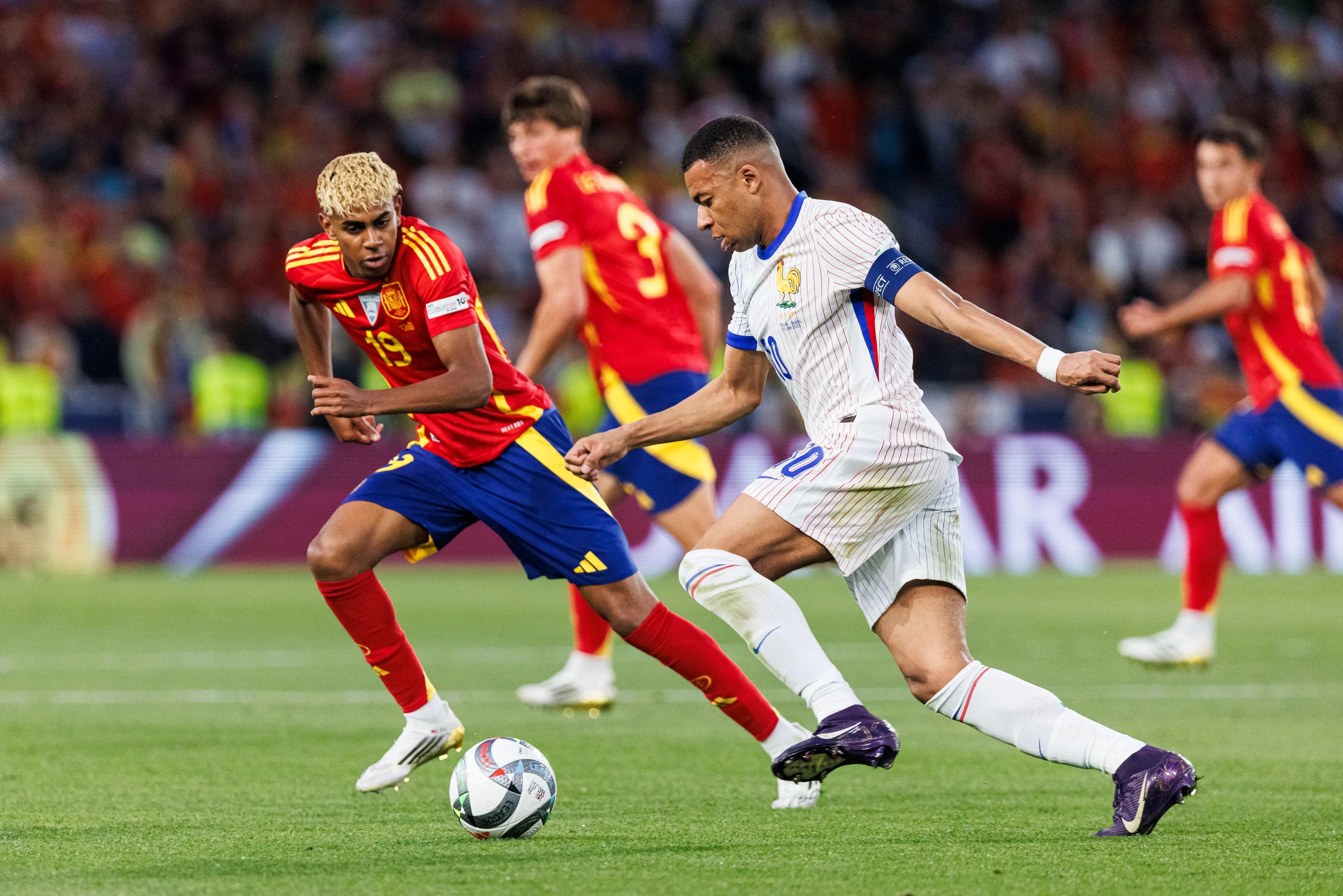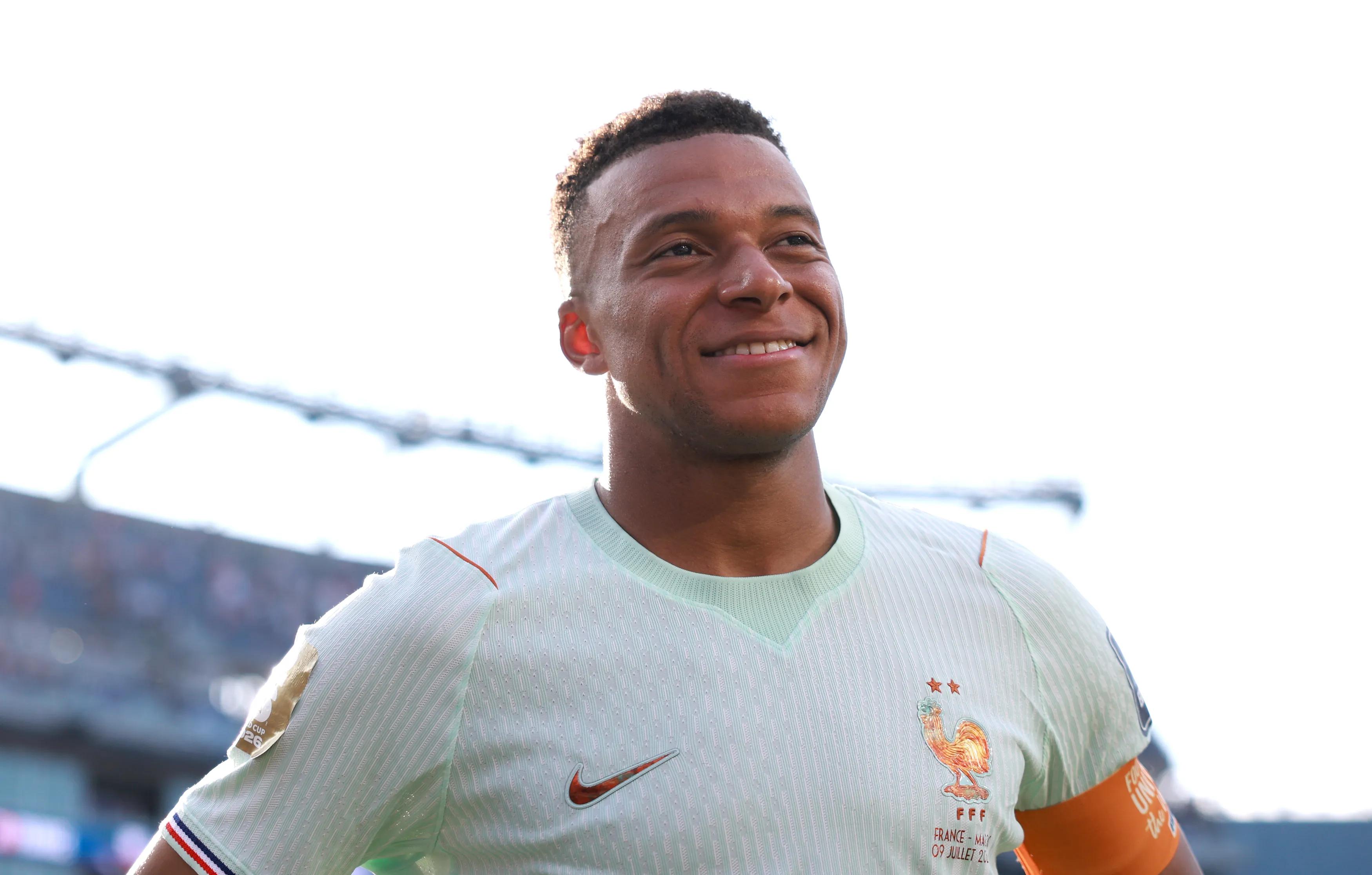
What distinguishes the France-Spain semi-final from every other fixture at this World Cup is the absence of hatred. These are not nations divided by war or scarred by geopolitical grievance. Their rivalry is pure, mathematical, born of the simple fact that both have been too accomplished to avoid each other when the draw tightens. Deschamps' pragmatism and De la Fuente's idealism represent opposing philosophies of the same beautiful game, and their July 15 collision will be a referendum on which philosophy deserves a World Cup final. Mbappe provides the destabilising speed that no defence can simulate in training; Yamal provides the surgical passing that no press can suffocate for ninety minutes. Their individual contest is the prism through which the collective battle refracts, and the outcome will be determined by which supporting cast better amplifies their talisman's frequency.
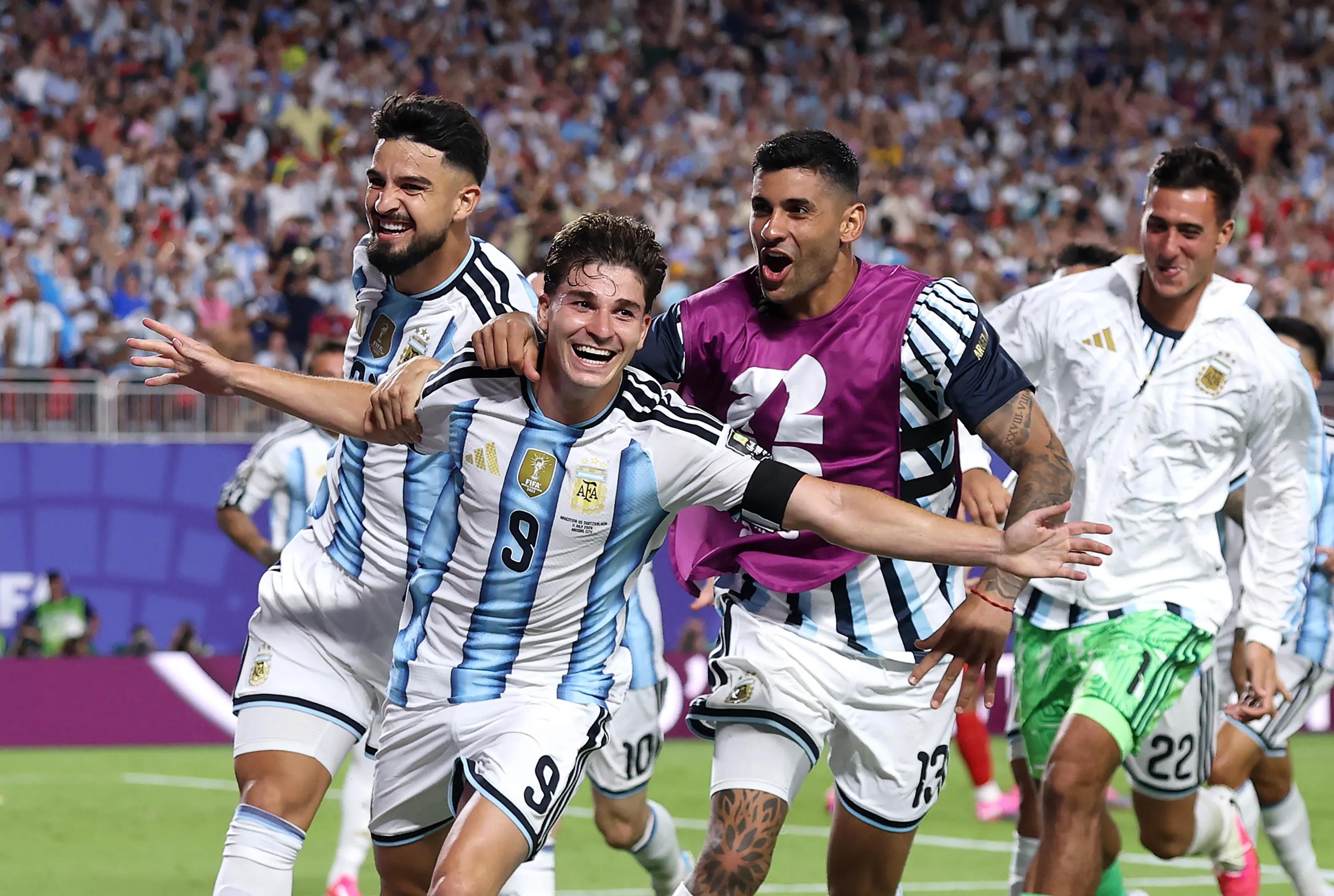
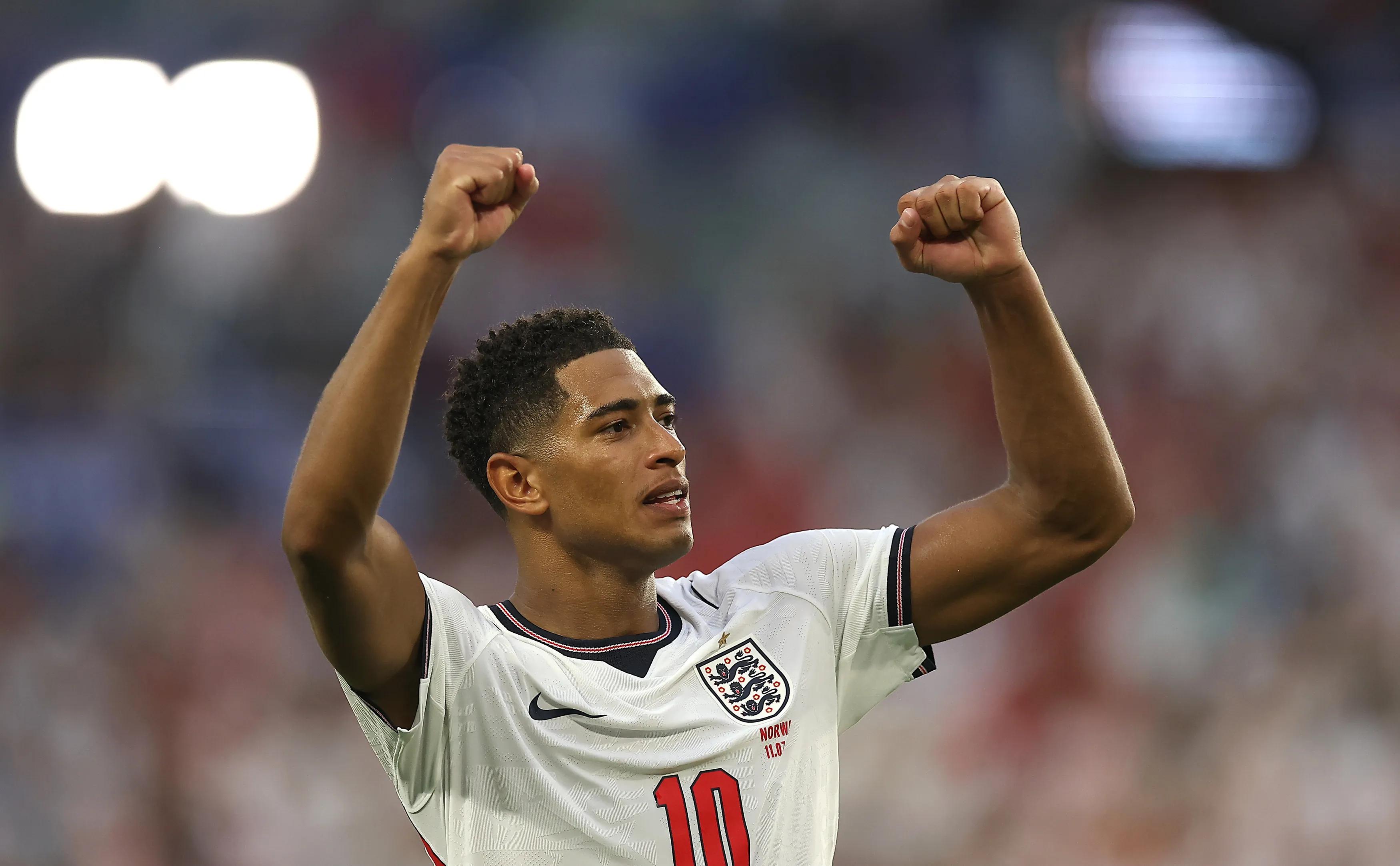
The following night, July 16, brings a confrontation of an entirely different order. England and Argentina do not meet through the accident of shared excellence; they meet through the compulsion of shared trauma. Their rivalry was born in 1986, when Diego Maradona's raised fist punched the ball past Peter Shilton and into the mythology of the World Cup. The "Hand of God" was cheating so brazen that it required divine invocation as its alibi, and the goal that followed four minutes later — a slaloming run through half the England team — was genius so sublime that it almost made the cheating irrelevant. Almost. The wound has never healed, and every subsequent meeting between these nations reopens it with surgical precision.
Two semi-finals, two kinds of weight. France and Spain carry the weight of knowledge — three encounters that have taught each team everything about the other and left nothing to discovery. England and Argentina carry the weight of memory — three encounters that have burned themselves into the collective consciousness of both nations and refused to fade. Knowledge and memory are different burdens, but they share a common effect: they compress the present moment, making every decision feel consequential beyond its immediate context, every touch loaded with implications that stretch backward into history and forward into legacy. This is the texture of great rivalries, and the World Cup's semi-finals will be textured by it completely.
July 15 and 16, four teams, two matches, all debts paid in full on the grass.