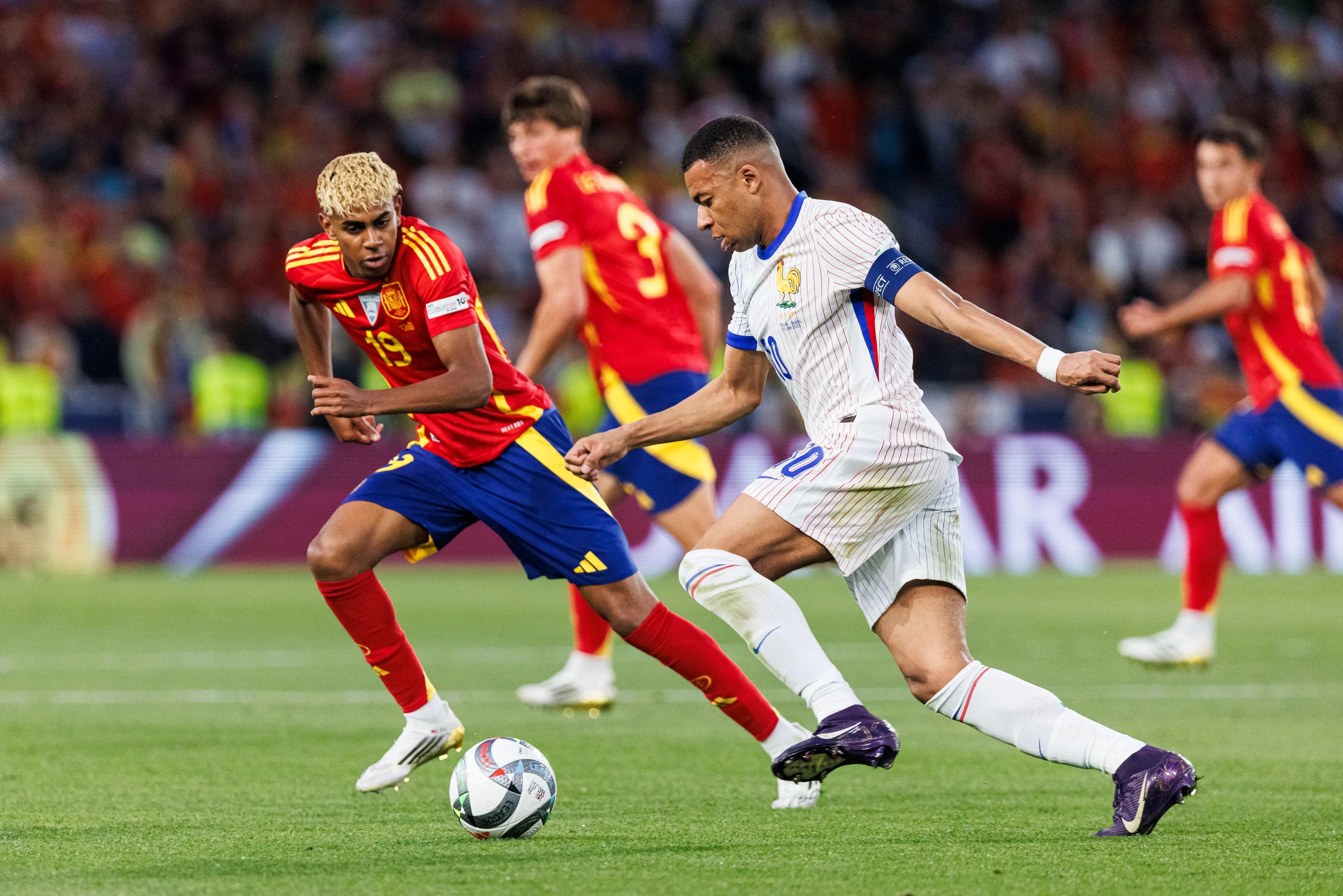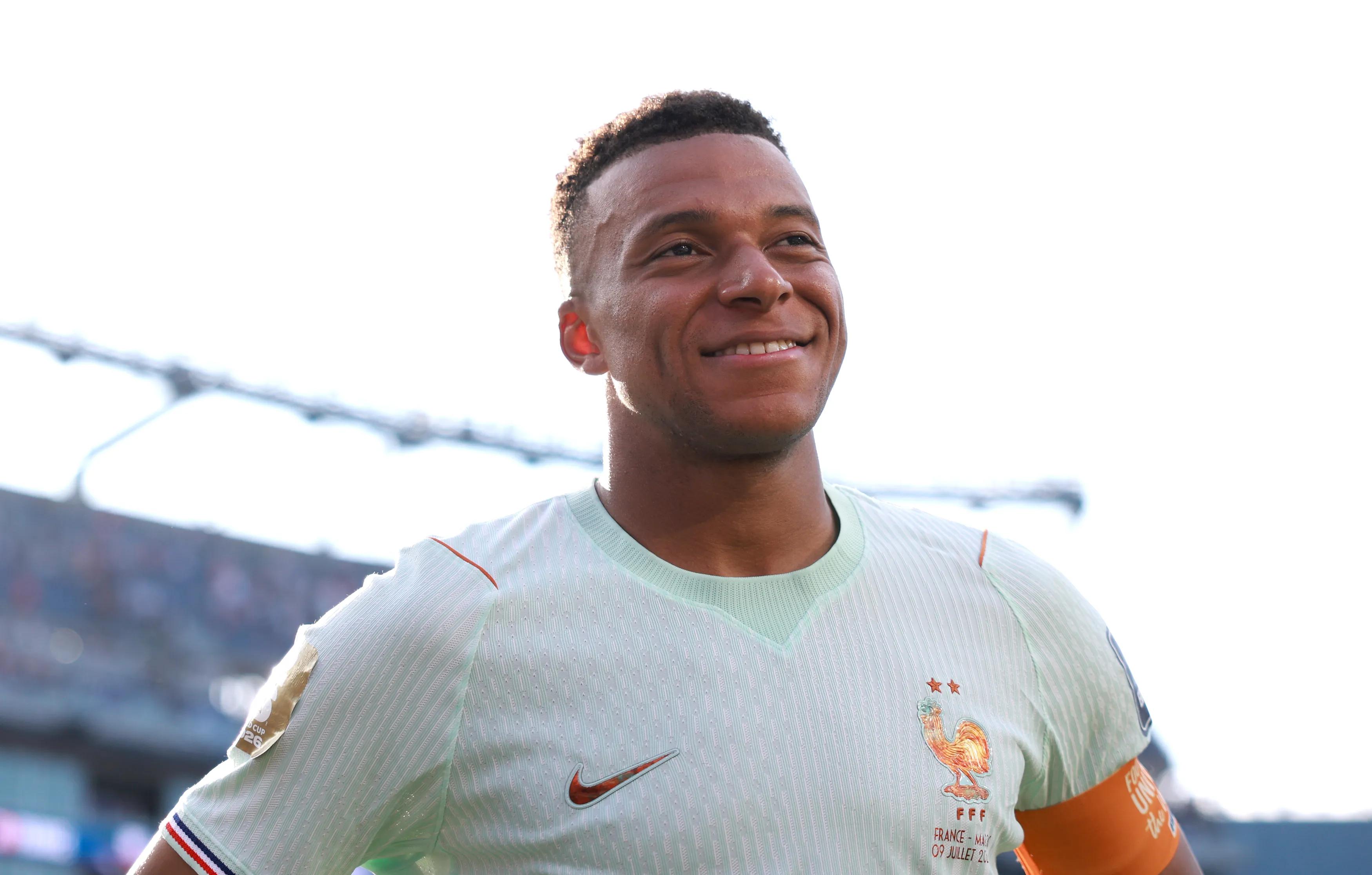
Three times is not charm. Three times is compulsion. France and Spain have been compelled by their own excellence into a semi-final trilogy that no one requested but everyone anticipated. Their July 15 meeting in Dallas carries the weight of every previous encounter: the Nations League final that announced their rivalry, the European Championship semi-final in Munich that deepened it, and now this — the World Cup, the stage that renders all others prologue. Spain's single goal conceded in six matches is a defensive monument that France's fourteen-goal attack must dismantle. Mbappe, the tournament's most prolific striker, faces Yamal, the tournament's most influential creator, in a duel of individual brilliance that has historically favoured the Spaniard. But World Cup semi-finals obey no precedent, and the tension between historical pattern and present possibility is the engine that will drive this match beyond tactics and into territory that only nerve can navigate.
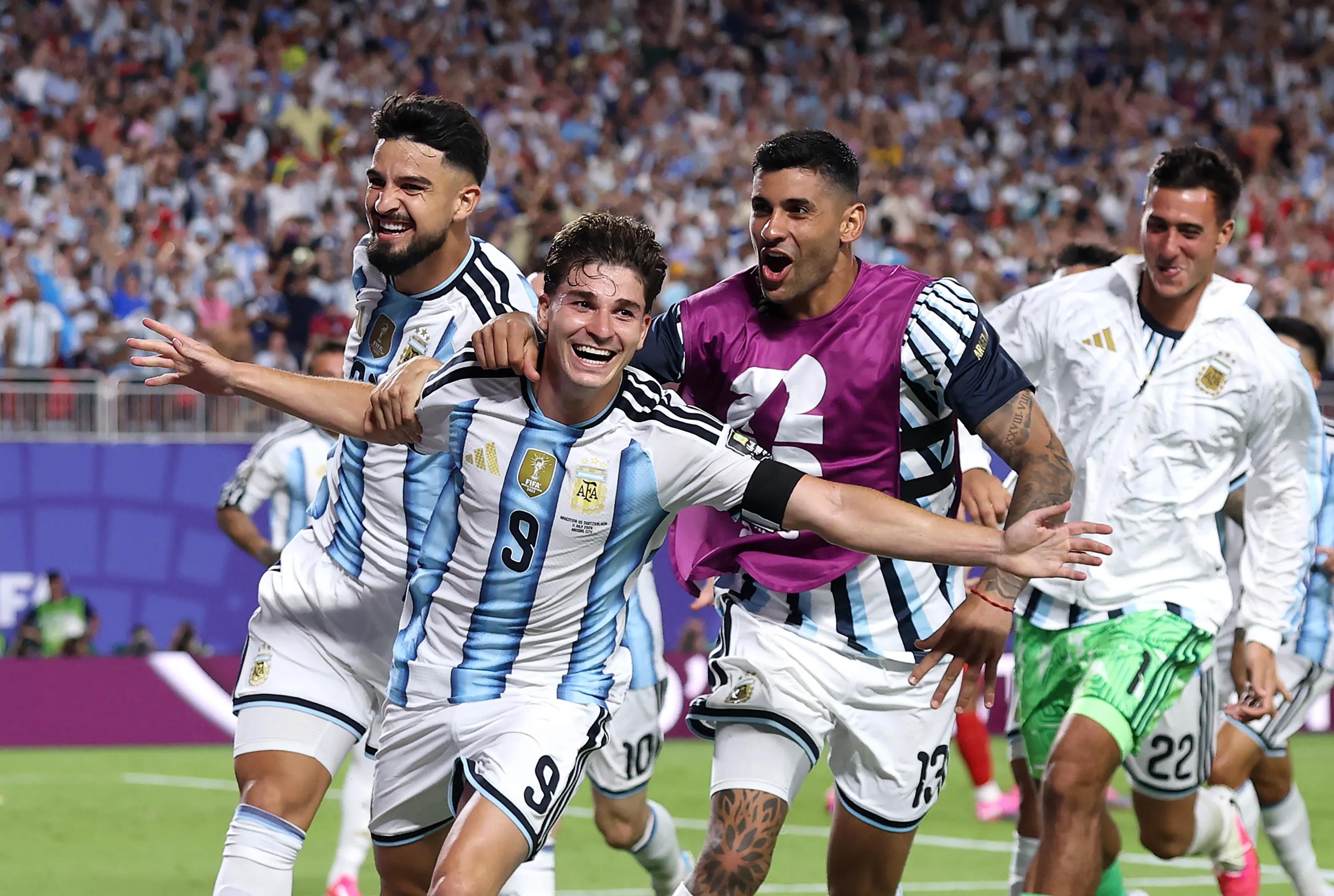
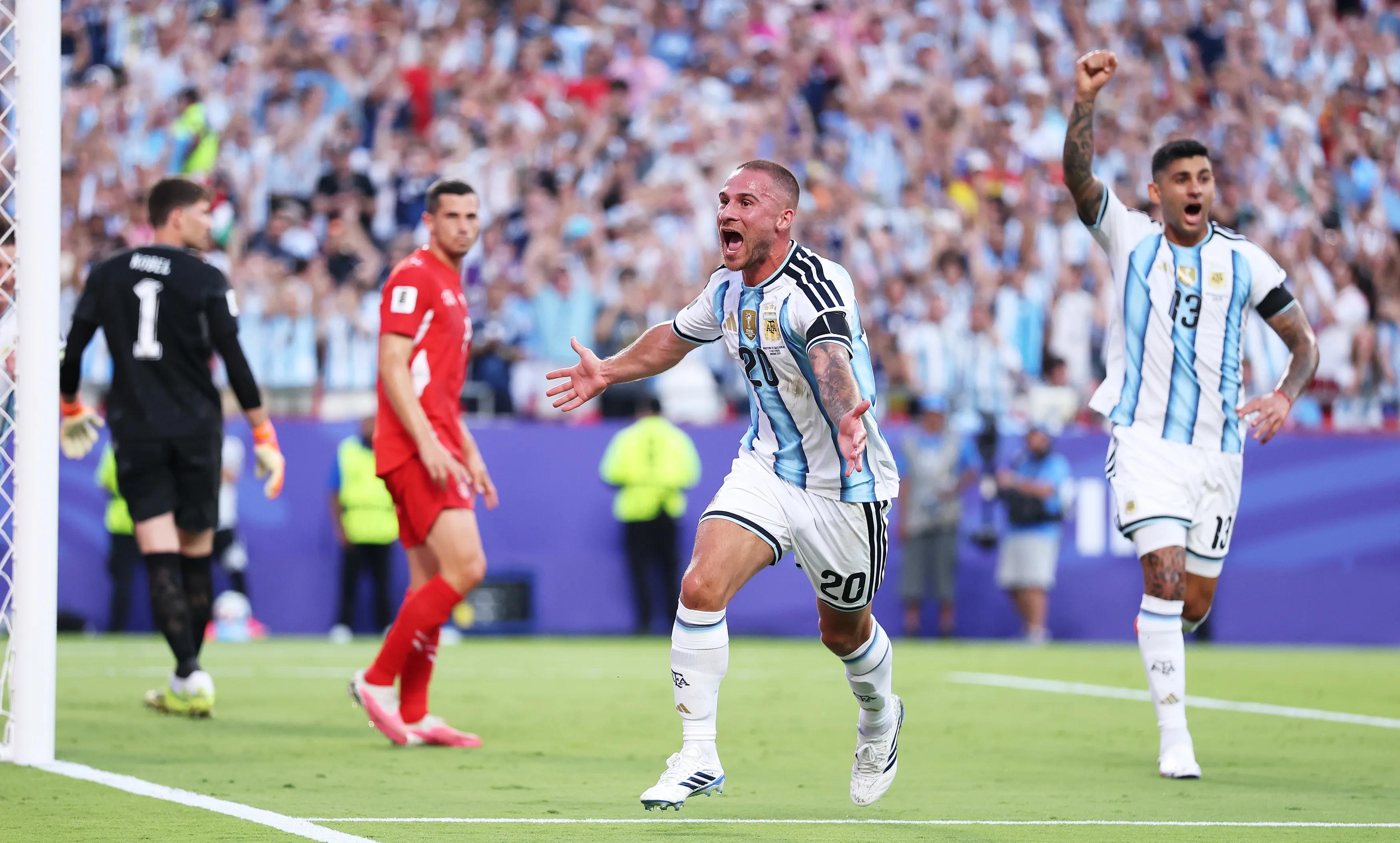
Argentina approach this semi-final carrying a legacy that the world considers tainted and they consider triumphant. The 1986 victory, achieved with the assistance of a handball that Maradona later attributed to divine intervention, remains a source of pride in Buenos Aires and a source of fury in London. This asymmetry of interpretation is the engine that drives the rivalry: two nations looking at the same event and seeing entirely different things. England look at 1986 and see theft; Argentina look at 1986 and see justice — justice for the Falklands, justice for the imbalance of power between the two nations, justice rendered on the only field where Argentina could compete as equals. The semi-final on July 16 will not resolve this asymmetry. It will add another layer to it, another event for the two nations to interpret in opposite directions.
These two semi-finals share a common architecture: the architecture of rivalry. But they differ in their materials. France-Spain is built from repetition — three encounters that have accumulated tactical intelligence and mutual respect in equal measure. England-Argentina is built from trauma — three encounters that have accumulated grievance and moral complexity in equal measure. Both architectures produce matches of extraordinary intensity, but the intensity feels different. In Dallas, it will feel like a chess match played at sprint pace. In the following night's semi-final, it will feel like a trial where the verdict is delivered by feet rather than words. The World Cup has not hosted a semi-final double-header of this narrative density in modern memory, and the spectacle will be richer for the contrast between them.
July 15 and 16, four teams, two semi-finals, the past meets the present and only the winner moves forward.