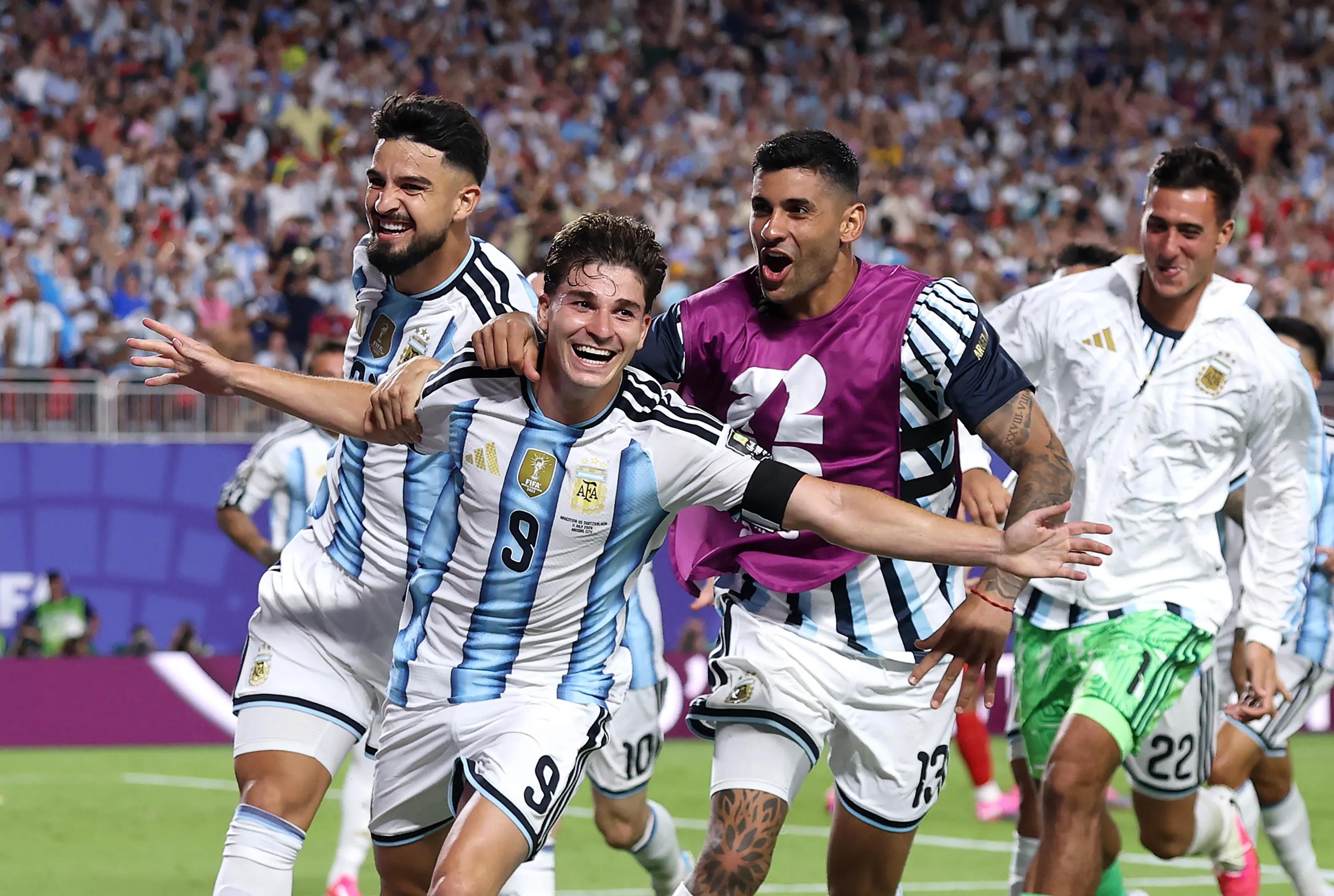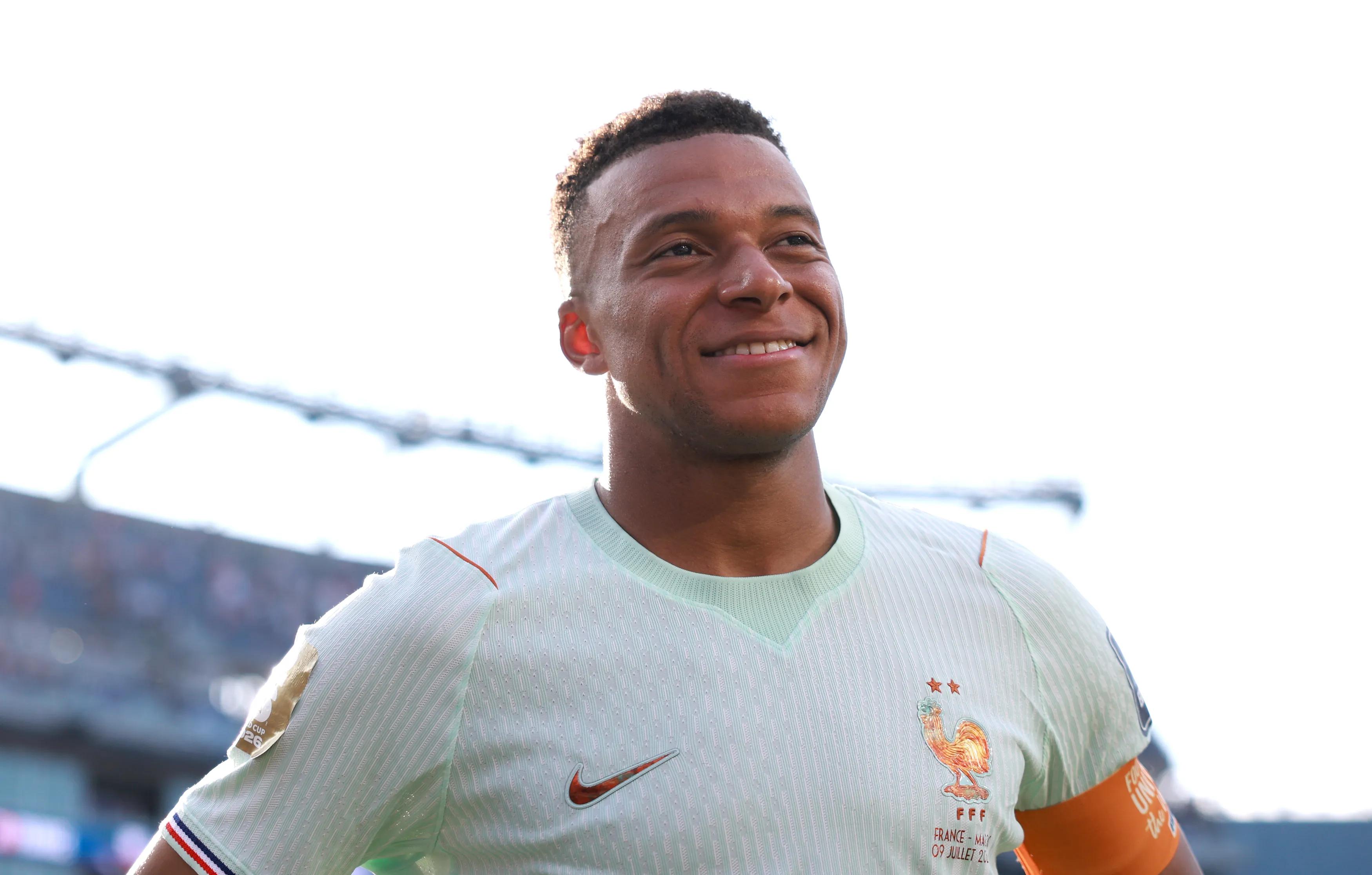
Familiarity between rivals is usually a disadvantage. Between France and Spain, it is the defining condition. Their third consecutive semi-final on July 15 will be contested by two teams who could name each other's starting lineups before the draw is made. Every tactical adjustment Deschamps has implemented since the European Championship has been designed with De la Fuente in mind, and vice versa. The result is a match that will be won not by innovation but by execution — by the team that performs its known routines with the fewest errors under pressure that only a World Cup semi-final can generate. Mbappe's pace and Yamal's craft will provide the moments that transcend planning, but the foundation of the result will be laid in the mundane: the pass completed under duress, the tackle timed to the millisecond, the clearance struck with conviction rather than desperation.
The England-Argentina rivalry is football's most morally complex narrative, a story in which villainy and virtuosity have switched sides with each chapter. In 1986, Maradona was the villain who became a genius in the space of four minutes. In 1998, Beckham was the fool who became a martyr, sent off for a petulant kick that was provoked by Simeone's cynical foul, leaving England to play sixty minutes with ten men and lose on penalties. In 2002, Beckham was the penitent who became a saint, converting a penalty that exorcised four years of newspaper vilification, death threats, and effigies hung from lampposts outside his home. Each encounter has produced not merely a result but a morality tale, and July 16 will add another chapter to a book that has never known ambiguity.
The semi-finals of this World Cup are distinguished by the density of their backstories. France-Spain bring the accumulated intelligence of three consecutive encounters; England-Argentina bring the accumulated emotion of three iconic encounters. One rivalry speaks the language of tactical sophistication; the other speaks the language of moral complexity. Both languages are dialects of the same primal force — the force that makes certain fixtures heavier than the sum of their participants, more significant than the context of their competition, more compelling than the prize that awaits the winner. The players who navigate these semi-finals will do so carrying weight that no training ground can simulate and no pre-match briefing can fully convey.
July 15 and 16, four nations, two contests, all rivalries distilled to their essence on the field.