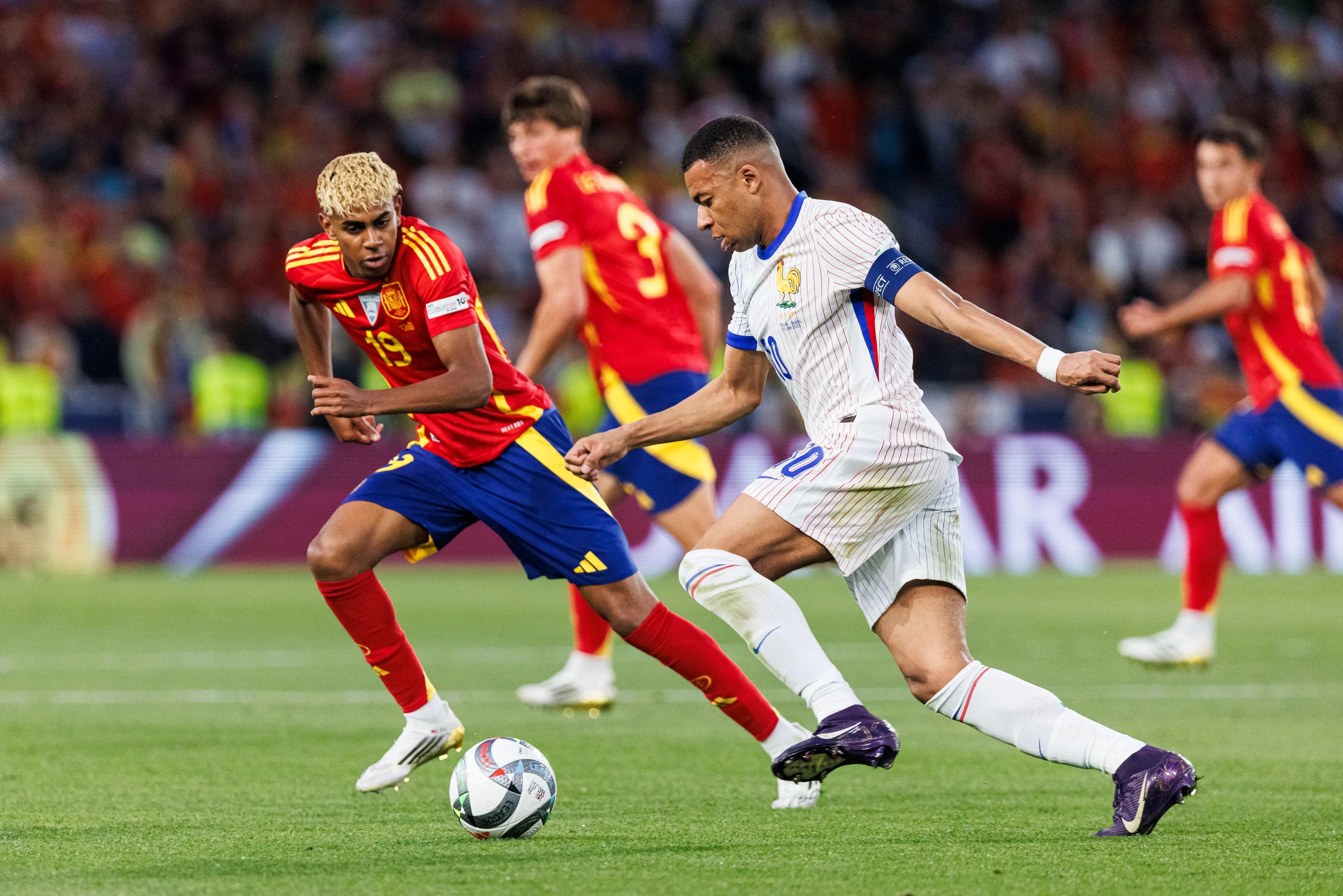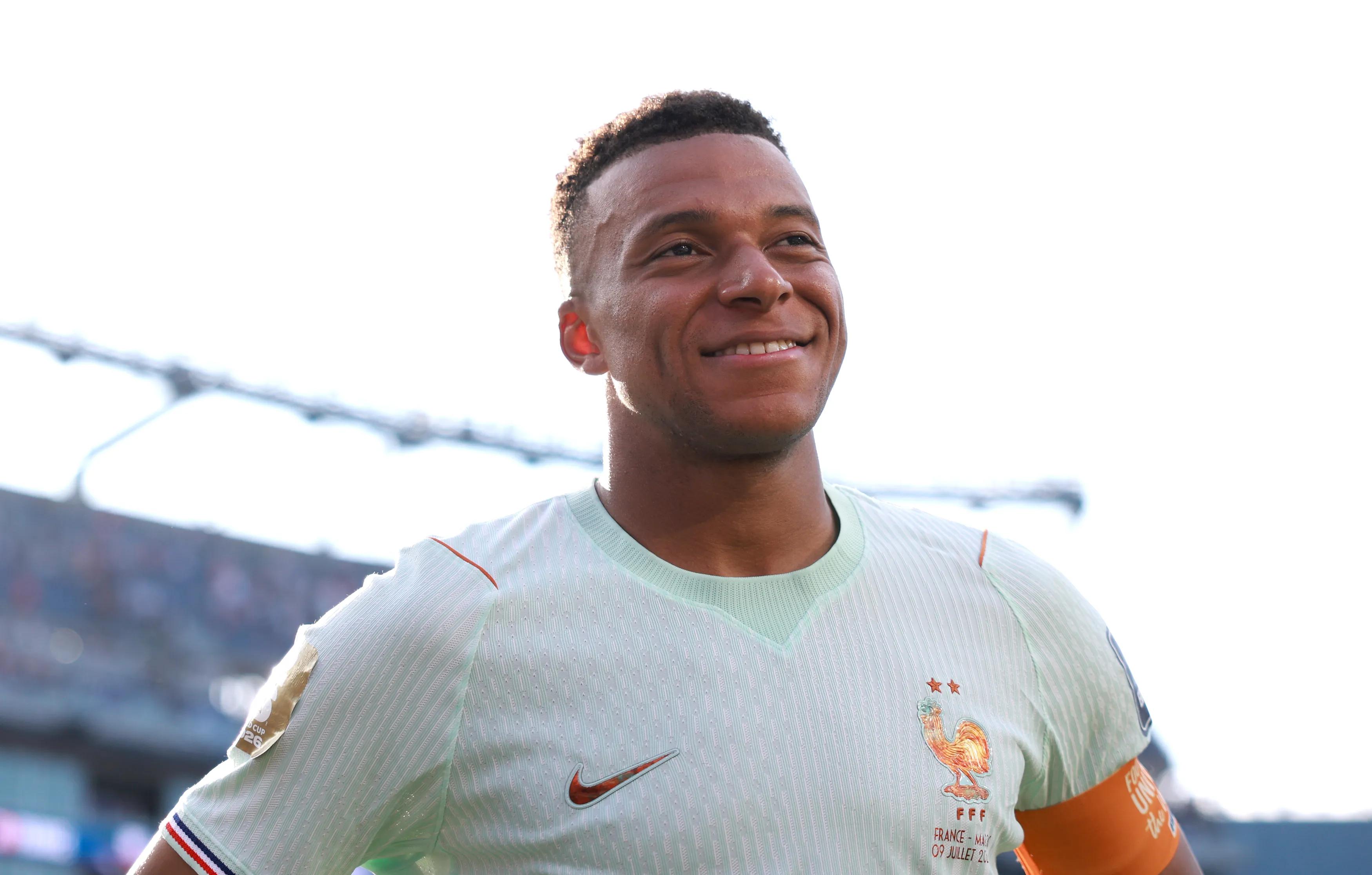
The semi-final in Dallas is France and Spain's most consequential meeting because the World Cup is the stage that makes all other stages preliminary. Their previous encounters — a Nations League final, a European Championship semi-final — were significant; this is definitive. Deschamps has refined France into a machine that converts Mbappe's acceleration into goals with industrial efficiency. De la Fuente has refined Spain into an organism that processes Yamal's vision into chances with organic fluidity. Machine against organism, efficiency against fluidity, Mbappe's eight goals against Yamal's peerless creativity — these are the antagonisms that will animate a match between opponents who have nothing left to discover about each other except who blinks first under the brightest lights either has faced.
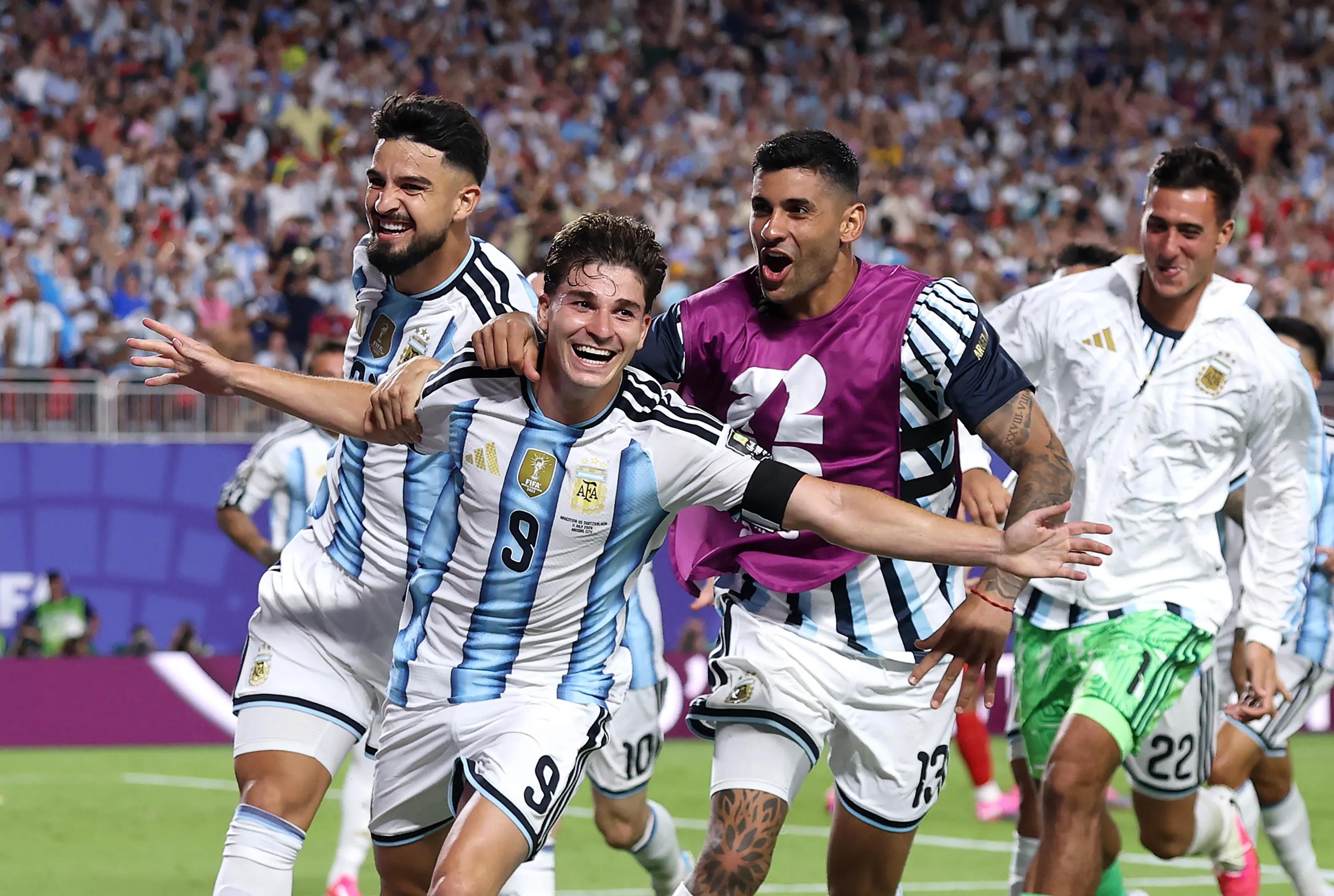
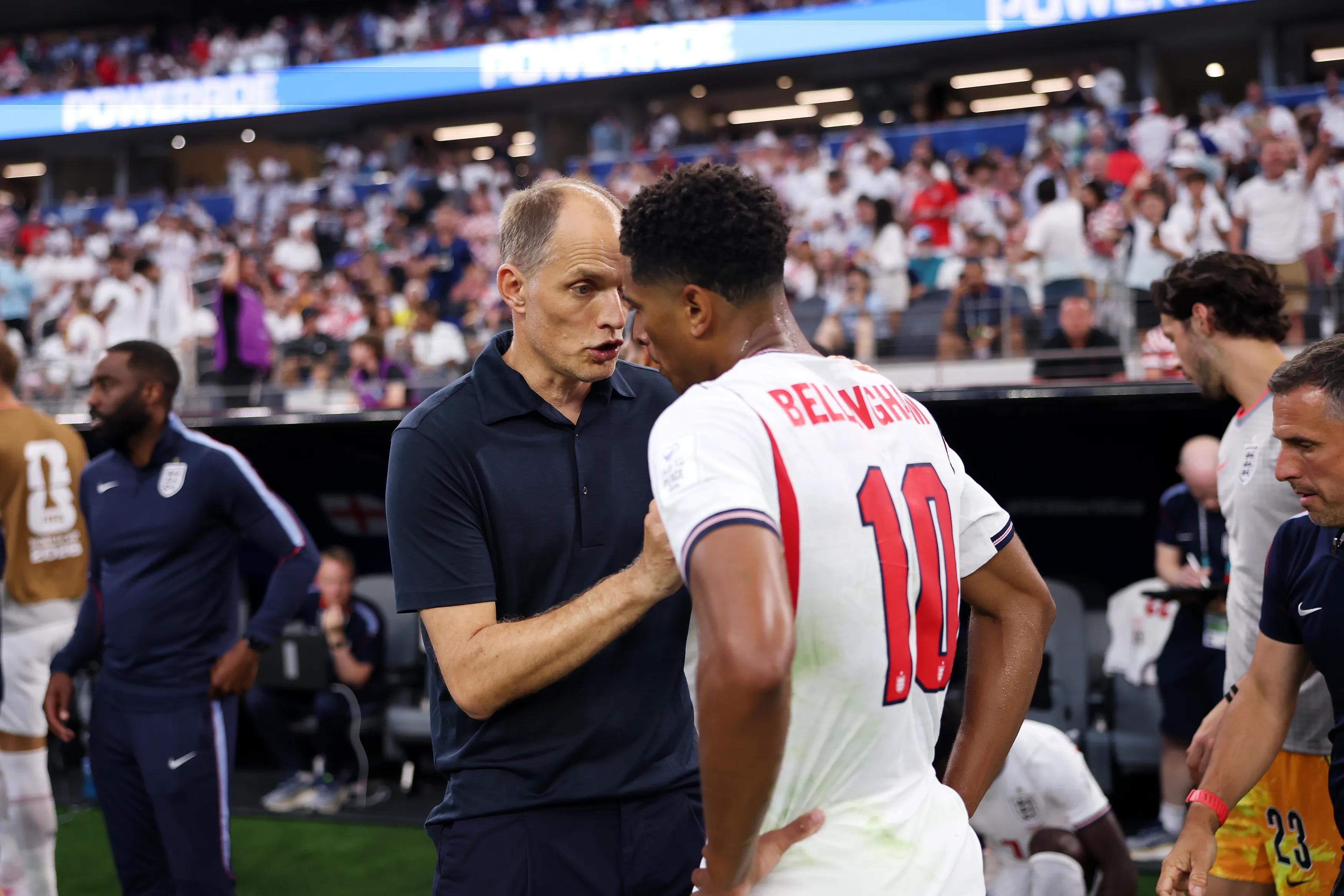
Every England-Argentina match is a referendum on the matches that preceded it, and July 16 will be the most consequential referendum yet. The 1986 quarter-final asked whether genius could excuse dishonesty; the answer, in the court of Argentine opinion, was yes, and in the court of English opinion, was never. The 1998 second round asked whether provocation could excuse retaliation; the answer, in the court of Argentine opinion, was yes, and in the court of English opinion, was irrelevant — a red card is a red card. The 2002 group stage asked whether one act of redemption could balance one act of villainy; the answer, in both courts, was unsatisfying — Argentina dismissed the result, England claimed vindication. This semi-final will ask the simplest and hardest question of all: who is better? And the answer, finally, will be unambiguous, because semi-finals do not allow for the dismissals and qualifications that group-stage matches invite.
What connects these two semi-finals is not their content but their condition: the condition of being more than matches. France-Spain is more than a match because three encounters have created a context that no single match could contain. England-Argentina is more than a match because three iconic incidents have created a mythology that no single match could escape. The players who step onto the pitches on July 15 and 16 will not be playing merely for a place in the final; they will be playing within narratives that began before they were born and will continue after they retire. This is the burden and the privilege of great rivalries: they transform participants into characters, matches into chapters, and results into sentences in stories that will be told for as long as the World Cup exists.
July 15 and 16, four teams, two decisive encounters, every grudge answered in the crucible of competition.